Why Is Your Gut Talking To You? The Unseen Conversation Inside Your Body
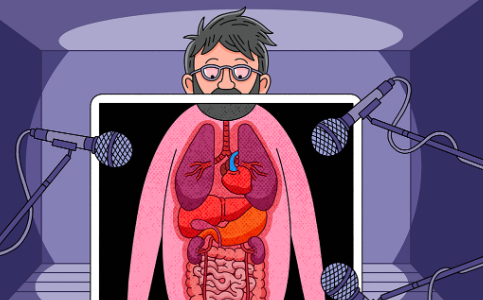
Listening means learning and knowing things, but what to listen to is an important question. How about listening to our body? Well, one of the most important parts of our body is our gut, and it stays constantly in conversation with us. Listen to what your gut is saying to you, as your health depends on it. It’s a discussion said not in words but rather in sensation, rhythm, and yes, by means of our bowel movements. But what if we learned our gut language? What if the signals we’ve been dismissing as just pain are essential dispatches about our hormonal balance, immune resilience, and long-term health?
This has nothing to do with encouraging obsession with one particular physical process. It’s about understanding that our gut is the main center, not a quiet rider. Far more illuminating than any standard blood test taken every year, the whispers of the gut—and sometimes shouts—provide a real-time narrative of our inner life. Ignoring it silences a primary narrator of our well-being.
What Can Your Gut’s Rhythm Reveal About Your Nervous System?
Though we often see mental and physical health as distinct roads, they interact very intimately inside our stomachs. Not just turns of phrase, the visceral sensations we refer to as gut feelings—the anxiety-induced knot, the stress-fueled cramp—are biological facts. They denote the active gut-brain axis, a specific route along which your brain and the nervous system of your gut are constantly conversing.
Absent an evident nutritional trigger, an uneven shift in your bathroom patterns is often this axis converting psychological stress into physical expression. Prolonged stress can directly affect your gut health, change your microbiota, and disturb digestive processes. Your gut is thus actively interpreting your emotional state. Therefore, a disturbance in digestive rhythm may be a cry for psychological treatment rather than merely a dietary change—for de-escalating stress, doing relaxation, or reevaluating burdens. Often, your mental terrain and your digestive performance are closely linked.
Could The Sensation Of Incomplete Evacuation Be Pointing To A Deeper Imbalance?
The physical act of excretion should be exactly that: removal. Often ignored, a strong signal is the feeling of fullness or the sense that you are not “done” even after a bowel movement. Pelvic floor dyssynergia, when the muscles controlling expulsion do not coordinate well, is one characteristic of this feeling. Still, it may be a sign of chronic low-grade inflammation in the colon or a major disturbance in the gut microbiome.
Digestion and peristalsis—the wave-like muscular motions of the intestine—become slow and poor when helpful bacterial populations are reduced. A gut unable to completely discharge is retaining metabolic waste and probably inflammatory substances; this is not just about pain. Resolving this calls for examining the interior ecosystem and looking beyond laxatives to include probiotics, prebiotics, and anti-inflammatory foods.
Why Is The Concept Of “Normal” So Personal When It Comes To Gut Health?
The quest for a worldwide “perfect poop” is a waste of time. Your own baseline of normalcy, not one textbook description, sets the real standard of gut health. What is normal for you? Usually, what consistency makes you feel bright and energized? Your gold standard is this customized pace.
Far more enlightening than variances from a typical chart are deviations from the regular. Someone with one formed, soft stool daily should be especially cautious if they start to have three loose stools. Conversely, someone who naturally goes every other day should be concerned if they suddenly go five days without a movement. Mindful observation is the answer here. Tracking not just frequency but also the accompanying sensations—bloating, gas, abdominal pain, energy levels—helps to provide a whole picture. Changes to your body’s unique signature, your normal, help it to grab your notice.
How Do We Move From Observation To Meaningful Action?
First comes recognizing the gut health signals. Next is establishing an atmosphere that encourages gut development. This implies seeing food not only as caloric intake but also as information and energy for your microbial allies. It means treating hydration as vital for the mucosal lining of the gut. It means appreciating that movement is a massager for your digestive system and that sleep is when much of gut repair happens.
Most fundamentally, it entails linking digestive health to every other bodily system. This linked dialogue is exactly why diving deep into these subtle health topics requires new platforms.
A New Forum for Critical Health Conversations
This trip into knowing the interior language of our bodies coincides with an increasing movement toward bold, evidence-based health inquiry. Emerging to magnify precisely these dialogues, platforms such as Ravoke.com help to bring them from taboo to everyday. They are building a community devoted to informed choice by elevating the voices of innovative medical professionals and opening room for unvarnished debate on everything from gut science to hormonal health.
Projects like Ravoke’s innovative docuseries, “Four Days,” which assembles women and top experts for an honest examination of menopause—a life stage much linked to gut function and general wellbeing—exemplify this mission. Such projects help us to listen more intently to our bodies, decode their complicated vocabulary, and eventually become active participants in our own lifelong health narrative by generating material that is both deeply personal and thoroughly scientific. The stomach is speaking. It’s time we start to listen—without guilt, with curiosity.
Disclaimer: The content of this article is strictly for educational use and should not replace expert medical advice, diagnosis, or treatment. With any queries you have about a medical disease, always ask your doctor or other qualified health practitioner. The ideas presented are the author’s, motivated by rising attention on gut health awareness. Please consult Ravoke for more information on our editorial criteria and the general goal to improve health outcomes.