The Craft Behind Blown Glass Chandeliers
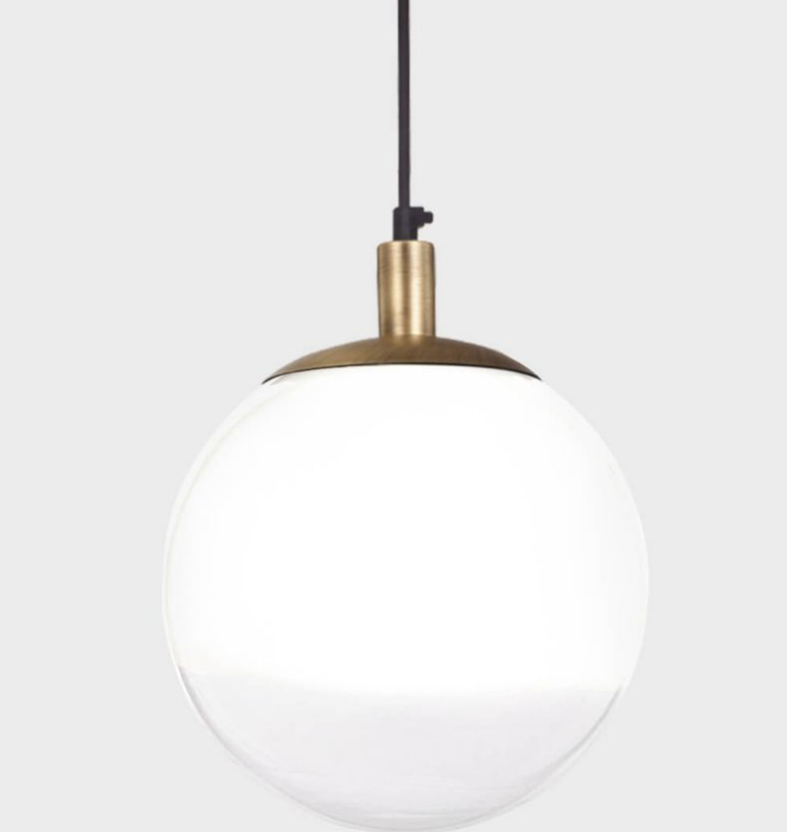
The creation of blown glass chandeliers is a sophisticated process that blends technical mastery with artistic expression. These chandeliers are not simply lighting fixtures; they are handcrafted art pieces that reflect patience, experience, and creativity. Every chandelier tells a story of skilled craftsmanship, where molten glass is transformed into elegant forms that illuminate and enhance interior spaces.
The journey begins with raw glass being heated in a furnace at extremely high temperatures until it reaches a molten, honey-like consistency. At this delicate stage, artisans must work quickly and decisively. Using controlled breath, specialized tools, and years of learned technique, they shape the glass while it remains pliable. Timing is critical, as the glass cools rapidly and becomes unworkable within moments. Even a minor delay or miscalculation can affect the final shape, making this phase one of the most demanding parts of the process.
Each component of a blown glass chandelier is crafted individually. Arms, shades, decorative accents, and diffusers are shaped one by one, allowing for a high degree of customization. This approach enables artisans to experiment with form, scale, and detail, ensuring that every piece aligns with the intended design. Once shaped, the glass components undergo a careful cooling process known as annealing. This gradual cooling strengthens the glass and prevents internal stress, ensuring durability and longevity.
The assembly stage requires both technical precision and a strong sense of visual balance. Artisans carefully arrange each glass element to create a harmonious composition that is structurally sound and visually appealing. Proportion, symmetry, and spacing are carefully evaluated to ensure that the chandelier looks balanced from every angle. Lighting placement is also thoughtfully planned so that the light interacts beautifully with the glass, enhancing reflections, transparency, and depth.
What truly sets blown glass chandeliers apart from mass-produced lighting is the absence of uniformity. No molds or automated systems dictate the outcome. Each chandelier bears subtle variations in shape, thickness, and texture, reflecting the artisan’s hand. Even when multiple chandeliers follow the same design concept, no two pieces are ever identical. This uniqueness adds character and authenticity, making each chandelier a one-of-a-kind creation.
Material selection further influences the final result. Clear glass offers a timeless and elegant appearance, maximizing light diffusion, while tinted or textured glass introduces warmth, color, and personality. Some artisans incorporate traditional techniques such as layering glass, adding gentle ripples, or creating controlled air bubbles. These details add depth and visual interest, turning the chandelier into a sculptural focal point.
The handcrafted nature of blown glass chandeliers also contributes to their exceptional longevity. High-quality glass retains its clarity and brilliance over time, resisting discoloration and wear. With proper care, these chandeliers can last for decades, often becoming permanent design features rather than temporary décor items. Their durability makes them a meaningful investment in both function and style.
Beyond their physical beauty, blown glass chandeliers hold cultural and historical significance. The techniques used today are rooted in centuries-old traditions passed down through generations of artisans. In an era dominated by automation, these chandeliers represent a connection to human skill and artistic heritage.
In today’s design landscape, where authenticity and craftsmanship are increasingly valued, blown glass chandeliers stand out as symbols of refined taste. They seamlessly combine traditional techniques with contemporary design sensibilities, offering lighting solutions that are both functional and artistically significant. Their enduring appeal lies in the harmony between light, glass, and the human hand that shapes them.