How Replacing Your Windows Can Improve Your Home’s Energy Efficiency
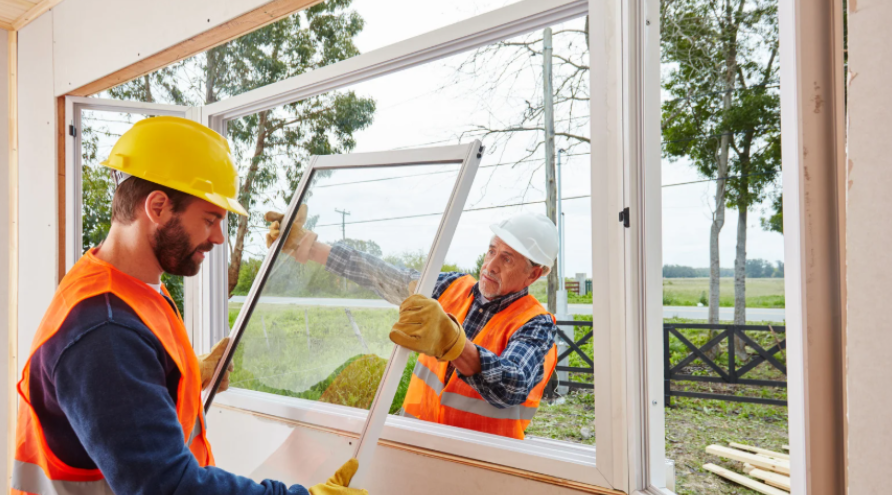
Energy efficiency is a growing concern for homeowners who want to reduce utility costs while maintaining indoor comfort. Windows play a major role in how a home manages heat airflow and insulation throughout the year. Older or poorly performing windows often allow unwanted heat transfer that strains heating and cooling systems. For many homeowners, windows replacement in Houston is closely associated with improving energy performance in homes exposed to high temperatures and humidity. Replacing outdated windows helps create a more balanced indoor environment and supports long-term energy savings. Understanding how new windows influence efficiency explains why replacement is considered a meaningful upgrade.
How Old Windows Contribute to Energy Loss
As windows age, their materials gradually lose effectiveness. Frames may warp, seals can deteriorate, and glass may no longer provide adequate insulation. These changes allow conditioned air to escape and outdoor air to enter, which disrupts temperature control inside the home.
Single-pane or older double-pane windows often lack modern energy-saving features. Heat easily passes through the glass during summer and escapes during cooler months. This constant exchange forces HVAC systems to operate more frequently, increasing energy consumption and wear on equipment. Small gaps around window frames are a common source of drafts. Over time, these leaks can significantly affect indoor comfort and energy efficiency, even if they are not immediately noticeable.
Energy Efficient Window Technologies
Modern replacement windows are designed to minimize heat transfer and improve insulation. Features such as low-emissivity glass coatings reflect heat while still allowing natural light into the home. Multi-pane glass with insulating gas between layers reduces thermal movement and improves overall efficiency.
Advanced frame materials also play an important role. Insulated vinyl or composite frames reduce conductive heat loss compared to older metal frames. When combined with proper installation, these technologies create a more energy-efficient window system.
The Importance of Proper Window Installation
Even the most advanced windows rely on correct installation to perform effectively. Improper alignment or insufficient sealing can compromise insulation and allow air leakage. Professional installation ensures that windows fit precisely within openings and integrate correctly with surrounding walls.
Correct installation also addresses moisture control. Proper flashing and sealing techniques prevent water intrusion, which can damage insulation and reduce energy performance. A well-installed window maintains its efficiency benefits over time.
Improving Indoor Comfort Through Window Replacement
Replacing windows not only improves energy efficiency but also enhances indoor comfort. New windows help maintain consistent temperatures throughout the home by reducing hot and cold spots. This balance creates a more comfortable living environment regardless of outdoor conditions.
Improved insulation also reduces drafts and temperature fluctuations near windows. Rooms feel more stable and comfortable, which can reduce reliance on heating and cooling systems. Over time, this contributes to both comfort and energy savings.
See also: Integrating Smart Home Technology in Modern Custom Builds
Long-Term Energy and Financial Benefits
Energy-efficient window replacement provides benefits that extend beyond immediate comfort. Lower energy usage leads to reduced utility bills over time. These savings accumulate throughout the lifespan of the windows, making replacement a long-term investment in home efficiency. Replacement windows also contribute to overall home performance, which is often associated with increased market appeal. The impact of window replacement on property value reflects how energy efficiency improvements enhance a home’s desirability and functionality.
Reducing energy consumption through efficient windows also supports environmental sustainability. Lower energy demand decreases overall resource use and contributes to reduced emissions associated with power generation. By improving insulation and reducing heat transfer, window replacement helps homes operate more efficiently with less environmental impact.
Conclusion
Replacing windows is an effective way to improve a home’s energy efficiency by reducing heat transfer, air leakage, and temperature imbalance. Modern window technologies combined with proper installation create a more stable and comfortable indoor environment. Over time, these improvements lower energy usage, support HVAC performance, and contribute to long-term savings. Understanding how window replacement influences energy efficiency highlights its role in creating a more efficient and resilient home.