Filtering the Air and Fuel to Preserve Generators from Harm
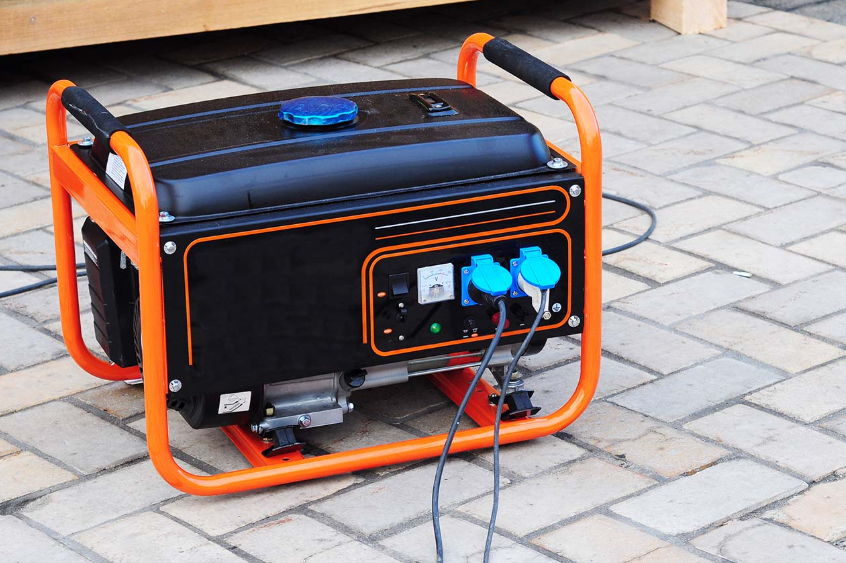
Generators are designed to be rugged, but even the most robust engine can cause issues when exposed to dirt, dust, water, or low-grade fuel. Although these appear to be trivial factors at first, they tend to seep into essential parts at some point in time and affect performance. Most times, the failure of a generator can begin with something as trivial as inadequate airflow or contaminants in the fuel supply, which can easily go unnoticed. It all begins with understanding how damage takes place.
Airborne Dust & the Effect of Combustion
Air, although necessary for combustion, can contribute to increased fuel consumption and high engine temperatures when it is contaminated. Debris entering the intake manifold reduces the effectiveness of the airflow entering the engine. Inadequate airflow increases fuel consumption because the engine has to work harder in order to generate the same power. It can result in rapid engine heating and in the long run, loss of power or engine malfunction.
Airborne particles tend to occur in environments such as construction sites, farms, or working environments where the level of dust in the air changes from time to time. Dust in garages or sheds where generators operate in settings considered less noisy can, in fact, reduce the passage of air in the generators when there are finer particles in the surroundings. It works as the first means of protection when the air filter is clean.
See also: Emergency Glass Repair Las Vegas & Home Window Fix
Fuel Contamination & its Aftereffects
Fuel related issues are considered to be the most prevalent source of contaminants. Diesel fuel can go bad after many months of storage, especially in the event where moisture or extreme temperatures come into contact with the fuel. Water in the fuel tank creates favorable environments for bacteria to multiply, leading to the settlement of fuel contaminants in the form of fuel slime in fuel injectors and fuel lines. Dirt from old fuel storage tank can make fuel components go bad.
Once the contaminants get into the fuel system, performance issues follow closely. Misfires, hard starting, intermittent power, or increased smoke emissions offer early indications. But when ignored, the contaminated fuel can result in damage to fuel injectors or fuel pumps in the generators. Regular inspections and using clean fuel can therefore prevent these issues, especially in cases where the generators are placed in long-term storage.
Oil Spills: An Overlooked Problem
Although many owners monitor the condition of air and generator fuel filters, oil contaminated with other substances poses another significant issue. When the generator operates, oil always thickens in the process, with particles accumulating inside. If, at any stage, owners fail to regularly replace the oil, the contaminants can cause friction in the engine. In extreme cases, the situation can result in the engine malfunctioning or overheating. Fresh oil keeps all the engine moving components lubricated.
Importance of Quality Filtration
Filtration is the most important aspect when it comes to the protection of the generator from daily contaminants. Using high-quality filters ensures that any dust, fuel particulates, or pollutants are removed or prevented from reaching the engine components. No matter whether it is an air filter, fuel filter, or oil filter change, using the appropriate filter ensures proper functioning and longevity of the engine. Using an appropriate filter for diesel generators ensures that any damaging contaminants stay away from the generator.
Staying Ahead with Preventative Care
The most effective means of protecting such a generator from damage would involve regular shutdown inspections and maintenance. Regular evaluations of the filter, condition of fuel, and cleaning the generator itself can help prevent several small problems from compounding into larger ones. It would help to keep the generator in a dry, protected area. By taking simple precautions all year long, owner/operators can protect performance, cut runtime costs, and extend the service life of these machines. And “details” like clean air, fuel, and filters make all the difference in the world.