The Craft Behind Blown Glass Chandeliers
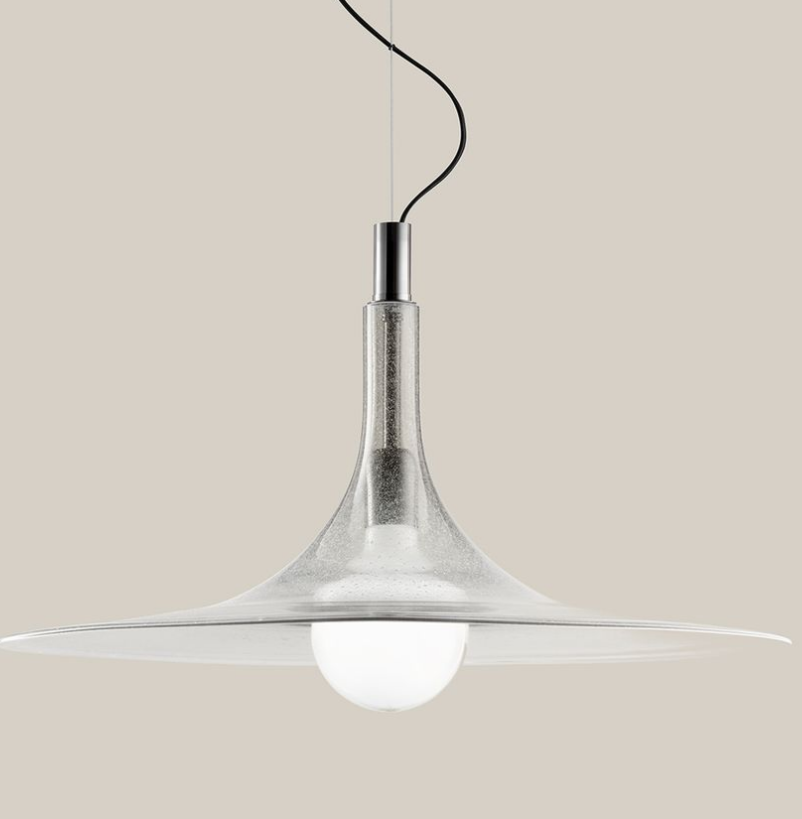
The creation of blown glass chandeliers is a complex process that blends technical expertise with artistic intuition. Each piece is the result of multiple stages, all performed by skilled artisans who shape molten glass into functional works of art.
The process begins with heating raw glass to extremely high temperatures until it becomes malleable. At this stage, artisans use breath, tools, and controlled movements to form the glass. Timing is critical, as the material cools rapidly and leaves little margin for error.
Individual components are created separately. Arms, decorative elements, and diffusers are blown and shaped one by one, allowing for detailed customization. Once formed, each piece is carefully cooled to ensure durability and structural stability.
Assembly requires precision and aesthetic judgment. The various glass elements must be combined into a balanced composition that supports both visual harmony and functional lighting. This phase highlights the importance of design experience, as proportion and symmetry play a crucial role in the final result.
What distinguishes blown glass chandeliers from industrial alternatives is the absence of standardization. Each chandelier reflects the artisan’s hand, making it unique. Even when following a similar design, no two pieces are ever exactly the same.
This handcrafted approach also contributes to longevity. High-quality blown glass maintains its brilliance over time, resisting discoloration and aging. As a result, blown glass chandeliers often become long-term design features rather than disposable décor items.
In today’s design landscape, craftsmanship is increasingly valued. Blown glass chandeliers embody this appreciation, offering a tangible connection to traditional techniques while meeting contemporary design expectations.