Signs Your Warehouse Racking Needs Replacement
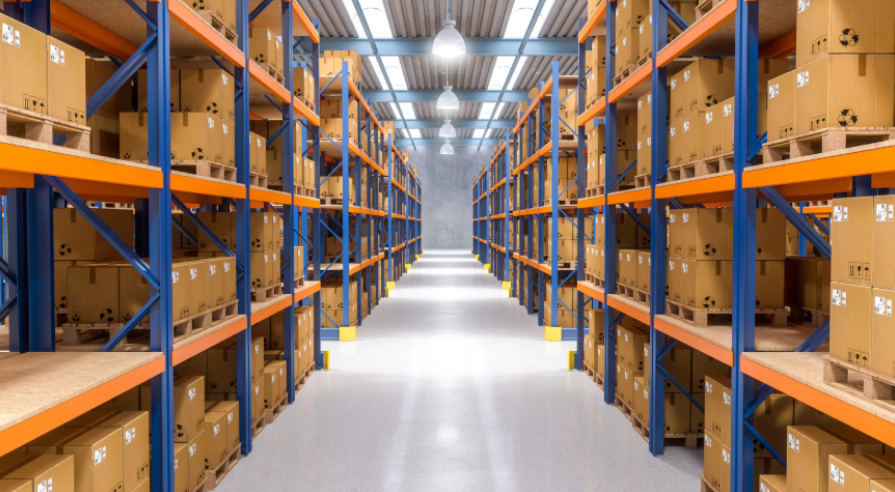
A warehouse can run smoothly for years, until small problems start showing up in areas people overlook. One of the most critical structures in any facility is the racking system, because it holds inventory, supports workflow, and directly affects safety. When racks begin to wear down, the risk is not only about storage efficiency, but also about product loss, employee hazards, and operational delays. That is why a reliable warehouse racking system should never be treated as permanent without evaluation. Recognizing early warning signs helps warehouse teams stay ahead of breakdowns and avoid situations where replacement becomes urgent and disruptive.
Common signs your warehouse racking may need replacement
One of the clearest signs is visible bending or twisting in beams and uprights. When rack components are no longer straight, it indicates structural stress that could affect weight distribution. Even slight warping can reduce load capacity and create instability that worsens over time.
Another sign is repeated repairs in the same areas. If certain rack zones require constant attention, it may point to a system that is no longer suited for the current workflow. A racking layout that was designed years ago may not match today’s inventory weight, pallet size, or equipment usage. When repairs become frequent, replacement can be a more effective long-term decision than ongoing fixes.
Loose or missing components and connection issues
Warehouse racking depends on secure connections and proper anchoring. If bolts loosen regularly or connectors show signs of wear, the structure may not be holding as intended. This can create movement and shifting that makes the rack unsafe under load.
Missing safety pins, damaged clips, or worn locking mechanisms also reduce reliability. These parts may seem small, but they play a key role in holding beams in place and supporting consistent storage performance. When components no longer fit securely, it may be time to consider replacement rather than temporary adjustments.
Safety concerns that indicate a system is no longer reliable
If pallets no longer sit evenly or loads look unstable on the rack, it is a major warning sign. Uneven storage can be caused by beam damage, misalignment, or weight issues that the system can no longer handle safely. This increases risk for both inventory and employees, especially during picking and forklift activity.
Another major concern is rust and corrosion. Corrosion weakens metal over time and is especially common in environments with moisture, temperature fluctuations, or heavy exposure to chemicals. Once corrosion becomes widespread, the system may lose strength in ways that are difficult to correct through simple repairs.
See also: Why Regular HVAC Inspections Are Essential for Home Comfort
The role of inspections in deciding when to replace racking
Regular inspections are one of the best ways to identify issues early and avoid sudden failures. A structured inspection process helps teams monitor damage patterns, evaluate rack stability, and plan upgrades before the situation becomes urgent. Many warehouse teams stay proactive by understanding how often warehouse racking should be inspected for safety and efficiency to ensure their inspection routines support both safety and long-term performance. Inspections also help determine whether repairs are enough or whether replacement is the smarter choice. When damage is consistent, widespread, or impacting daily workflow, replacement can improve both reliability and efficiency.
Conclusion
Warehouse racking replacement is not something most teams plan for until warning signs become impossible to ignore. However, recognizing damage early can prevent accidents, protect inventory, and reduce costly disruptions. Bending, misalignment, frequent repairs, loose components, corrosion, and increased product damage are all strong indicators that a racking system may be reaching the end of its reliable lifespan. When warehouse leaders prioritize inspections and act on early issues, they create a safer environment and maintain stronger operational efficiency over time.