How To Maintain Fitness While Being on Active Duty as a Lifeguard?
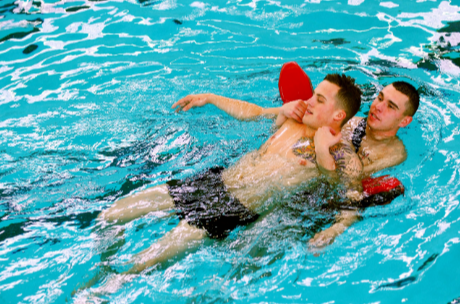
Physical fitness goes beyond individual goal in the high-stakes world of aquatic safety; it is a basic job necessity. A lifeguard’s capacity to do a fast rescue, provide critical help, and be continuously vigilant depends on a base of strength, resiliency, and operational readiness. For many, once their first certification has been obtained, their quest for fitness comes to an end.
The most professional guards, however, know that real readiness is an ongoing process very much interwoven into their on-duty existence. As a devoted lifeguard, how can you create and keep the elite fitness needed to transform your platform into one for wellness?
Why is On-Duty Fitness a Non-Negotiable Aspect of Professionalism?
Core physical skills—swimming endurance, timed retrievals, and CPR stamina—are drilled when you finish your lifeguard training. These are the minimum benchmarks, the standard baselines. Still, the erratic character of an aquatic emergency begs more. To a professional lifeguard, their physical condition is a direct extension of their credibility and dedication to the job. It’s about changing from someone who has a lifeguard certification to someone who embodies the guardian philosophy every minute they are on post.
Attitude is what your personal brand—and that of your business—is founded on. The American Lifeguard Association (ALA) says that certification is only the beginning. Showing a constant adherence to its criteria throughout the year shows the greatest degrees of professionalism and respect for your work.
What Do Lifeguards Manage Fitness Routine on the Job?
Include useful fitness into your monitoring schedule to stay rescue-ready. Fight the stiffness of extended sitting or standing with targeted micro-workouts: Employ isometrics for core stability and easy stretches to maintain blood flow. Schedule high-intensity sessions during your breaks for peak efficiency. While directly preparing for the physical requirements of a rescue, this strategy keeps alertness.
Consider 10-minute blocks: bodyweight squats for strong push-offs; push-ups for the upper-body strength necessary for in-water supports and CPR compressions; planks for all core engagement. This is about developing the particular strength and stamina your lifeguard training equipped you to utilize in an emergency, not about achieving a bodybuilder’s physique.
How Can Vigilance Become an Active Fitness Tool?
While it may be combined with physical awareness, scanning is tiring mentally. Diaphragmatic breathing helps you to stay calm and focused, oxygenate your blood, and decrease your resting heart rate. Transform your head-checking habits into mild neck movement activities to avoid the rigidity resulting from maintaining a constant position. Change your weight from foot to foot now and then to activate your calf muscles and boost circulation.
By combining micro-movements, you convert passive observation into active preparedness, guaranteeing that your body changes from inertia to explosive action without lag when the opportunity to act arises. Beyond the first lifeguard certification, this whole approach to being on is a major differentiator covered in advanced modules.
Where Does Nutrition Fit into the Lifeguard’s Fitness Equation?
One of the most important but sometimes disregarded elements is refueling the guard’s body. Dehydration—the foe of cognitive ability as well as physical performance—results from extended time in the wind and sun. One must be proactive with their hydration, not reactive. One should drink water on a regular basis throughout the shift.
Choose lean proteins, complex carbohydrates, and good fats contained in coolers rather than heavy, carb-rich meals that cause sluggishness. Nuts, fruit, and yogurt offer regular fuel without the crash. Correct nutrition guarantees that the fitness you develop is sustained and that your energy levels are consistent, hence enabling you to perform at the degree your lifeguard certification by ALA attests you may.
How Does Continuing Education Reinforce Physical Preparedness?
Real fitness for lifeguards is dynamic, not stationary. The most esteemed experts in the industry know that their learning must extend beyond the first test. Participating in continuous in-service lifeguard training is essential, whether your institution requires it or you seek it out alone. These sessions go above and beyond skill assessments; they are vigorous, scenario-based workouts that expose flaws you can then address by stressing your body in fresh ways.
They underline the straight relationship between fitness and efficacy. Professionals routinely visit the official website of their certifying body—such as the American Lifeguard Association’s official site—for resources and lifeguard recertification courses to access the most recent protocols and sophisticated training methods that might test your fitness in fresh ways.
What is the Ultimate Impact of a Fit Lifeguard Team on Brand Perception?
At last, a lifeguard team’s general fitness builds a strong, quiet brand statement. Visibly embodying strength, awareness, and skill, a team projects competence and confidence to the public. It establishes confidence before a single word is uttered.
Top-tier, safety-first companies are regarded as those that constantly train their staff and provide cutting-edge lifeguard certification. They exceed expectations and help to foster a culture of excellence. This society starts with people dedicated every day to upholding the pledge of their lifeguard certification.
In essence, a lifeguard who sees their job not only as a means of income but also as a career stays in shape while on duty. It’s the regular application of your certified abilities, the wise inclusion of movement into attention, and a dedication to powering performance. Lifeguard certification by ALA is about reflecting on your physical appearance and behavior.
For those willing to start or reconfirm this pledge, excellent education marks the beginning of the path. Investigate the extensive materials and locate courses on the official website of the American Lifeguard Association; then, change your stance into a base for lifelong fitness and professional pride.