What Makes Coastal Dining Experiences So Memorable?
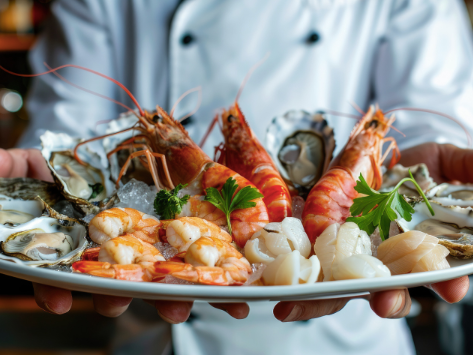
For many travelers and food enthusiasts, few things compare to enjoying a meal by the ocean. The gentle sound of waves, the scent of salty air, and the sight of endless blue horizons create a dining environment that feels both relaxing and inspiring. This unique combination of scenery, atmosphere, and cuisine is why coastal dining continues to capture the hearts of people around the world.
Whether it’s a casual beachside café or an elegant restaurant overlooking the sea, the experience of eating near the water transforms a simple meal into something far more special. From the ambiance to the ingredients, every element of coastal dining contributes to memories that last long after the meal is finished.
The Unique Atmosphere of Dining by the Sea
One of the most powerful aspects of coastal dining is the atmosphere. The ocean naturally creates a peaceful and refreshing environment that enhances the entire dining experience. Unlike busy urban restaurants or enclosed dining spaces, seaside establishments often provide open-air seating, waterfront views, and a gentle ocean breeze.
The sounds of the waves and the movement of the tide create a calming background that encourages diners to slow down and enjoy their food. People often feel more relaxed near the water, which makes meals feel less rushed and more enjoyable. In this setting, coastal dining becomes about savoring the moment rather than simply eating.
Sunsets also play an important role in the appeal of dining by the ocean. Watching the sky shift from bright blue to warm shades of orange, pink, and purple while enjoying a meal adds a magical quality to the experience. Many travelers specifically seek out coastal dining spots that offer the perfect sunset view.
Fresh Ingredients Straight From the Sea
Another key reason people love coastal dining is the availability of incredibly fresh ingredients. Restaurants located near the ocean often have direct access to locally caught seafood and seasonal coastal produce. Fish, shrimp, oysters, crab, and other ocean delicacies can often be served just hours after being harvested.
This freshness significantly improves flavor and texture. Seafood served close to its source tends to taste cleaner, sweeter, and more vibrant. Chefs in coastal regions often take advantage of this quality by preparing dishes with simple techniques that highlight the natural flavors of the ingredients.
Local fishing communities frequently supply nearby restaurants, creating a close relationship between fishermen and chefs. This connection not only supports local economies but also ensures that diners enjoy authentic regional cuisine. As a result, coastal dining often reflects the unique culinary traditions of the area.
A Sensory Experience Beyond the Plate
Eating near the ocean engages more than just the sense of taste. The full sensory experience is what truly makes coastal dining unforgettable. The fresh sea breeze, the rhythmic sound of the waves, and the stunning waterfront scenery all contribute to the enjoyment of the meal.
Even the visual presentation of seafood dishes often mirrors the natural beauty of the surroundings. Plates filled with colorful shellfish, grilled fish, bright citrus, and fresh herbs feel perfectly suited to a seaside environment. In this way, coastal dining blends food and setting into one harmonious experience.
The relaxed atmosphere also encourages longer meals and deeper conversations. People are more likely to linger over appetizers, share multiple dishes, and enjoy drinks while watching the ocean. This slower pace adds to the charm and emotional connection of the experience.
Cultural and Travel Appeal
For travelers, coastal dining often represents a gateway to discovering local culture. Coastal communities frequently have long-standing culinary traditions shaped by their relationship with the sea. Recipes passed down through generations often highlight local ingredients and cooking techniques that are unique to the region.
Visitors enjoy exploring these authentic food traditions because they provide insight into the lifestyle and heritage of coastal areas. A meal by the ocean can tell the story of a place—its fishing history, its local ingredients, and its culinary creativity.
Because of this connection, many people plan parts of their trips specifically around food experiences by the water. Whether it’s a small harbor restaurant serving the daily catch or a lively beachside grill, coastal dining becomes a highlight of the journey.
A Perfect Setting for Special Moments
Another reason coastal dining is so memorable is the way it enhances special occasions. Celebrations such as anniversaries, birthdays, and romantic dinners often feel more meaningful when paired with ocean views and fresh cuisine.
The natural beauty of the seaside creates an atmosphere that feels both intimate and inspiring. Couples enjoy romantic dinners with candlelight and ocean breezes, while families and friends gather around large tables sharing seafood platters and laughter.
These meaningful experiences help transform a simple meal into a lasting memory. Over time, people often associate the joy of those moments with the location itself, which is why they return again and again to their favorite coastal dining spots.
See also: Why Columbus, Ohio Is a Hotspot for Entrepreneurs and Business Buyers
The Lasting Magic of Oceanfront Meals
Ultimately, what makes dining by the ocean so unforgettable is the perfect combination of natural beauty, fresh ingredients, and relaxed atmosphere. The ocean has a way of slowing time and helping people fully appreciate the moment, and that feeling carries into the dining experience.
From the first glimpse of the water to the final bite of a delicious meal, coastal dining offers something that ordinary restaurants simply cannot replicate. It brings together food, scenery, culture, and emotion in a way that leaves a lasting impression.
For food lovers, travelers, and anyone who enjoys memorable meals, it’s easy to see why coastal dining continues to be one of the most cherished dining experiences in the world.