How Can Modern Equipment Improve Mobility and Communication Challenges?

Mobility and communication are essential aspects of daily life, allowing individuals to interact with their environment and connect with others. For people with physical or neurological conditions, these functions can be significantly affected, creating barriers to independence and participation. Challenges may include difficulty walking, limited hand control, or trouble speaking and expressing thoughts clearly.
Modern innovations have made it possible to overcome many of these barriers. In particular, assistive technology for cerebral palsy has transformed how individuals manage everyday tasks, offering tools that enhance both movement and communication. These advancements focus on improving accessibility, comfort, and independence in a wide range of settings.
Advancements in Mobility Equipment
Mobility equipment has evolved significantly over the years, moving beyond basic designs to highly customizable and intelligent systems. Wheelchairs, for example, are now available in powered versions that can be controlled using joysticks, touchpads, or even alternative inputs such as head or eye movements. These features allow individuals with limited physical strength to move independently and safely.
Assistive technology for cerebral palsy also includes walkers, gait trainers, and orthotic devices that support posture and alignment. These tools help individuals build strength and maintain balance while encouraging active participation in daily activities. For children, early use of such equipment can support physical development and improve long-term outcomes.
In addition, innovations such as exoskeletons are emerging as promising solutions. These wearable devices assist with walking by providing mechanical support and guidance, enabling individuals to practice natural movement patterns. As part of assistive technology for cerebral palsy, these advancements offer new possibilities for improving mobility and confidence.
Enhancing Communication Through Technology
Communication challenges can be just as limiting as physical barriers. For individuals who have difficulty speaking, expressing needs and emotions can be frustrating. Fortunately, modern communication devices have made significant progress in addressing these challenges.
Speech-generating devices are a key component of assistive technology for cerebral palsy. These tools allow users to select words, symbols, or phrases that are then spoken aloud by the device. Many of these systems are now integrated into tablets and smartphones, making them more accessible and user-friendly.
Eye-tracking technology is another breakthrough, enabling individuals to control a device using their gaze. This is particularly beneficial for those with limited hand movement. By using assistive technology for cerebral palsy, individuals can write messages, browse the internet, and interact with others more effectively.
Voice recognition software also plays a role, allowing users with partial speech ability to control devices and dictate text. These tools not only improve communication but also open up opportunities for education and employment.
Smart Home and Environmental Control
Modern equipment extends beyond personal devices to include smart home technology. Environmental control systems allow individuals to manage various aspects of their living space, such as lighting, temperature, and security, with minimal physical effort.
Assistive technology for cerebral palsy often incorporates these systems, enabling users to operate appliances and home features through voice commands, mobile apps, or adaptive switches. This level of control enhances independence and reduces reliance on caregivers.
Automated doors, adjustable furniture, and accessible kitchen designs further contribute to a more functional living environment. These modifications ensure that individuals can navigate their homes safely and comfortably, supporting daily routines and personal autonomy.
Role of Wearable and Portable Devices
Wearable technology is another area where innovation is making a significant impact. Devices such as smartwatches and health monitors can track physical activity, heart rate, and other vital signs. These tools provide valuable insights that help individuals and caregivers manage health more effectively.
Portable devices are also an important part of assistive technology for cerebral palsy. Lightweight communication aids, portable ramps, and compact mobility tools make it easier for individuals to stay active and engaged outside the home.
These technologies are designed with convenience in mind, allowing users to carry them easily and use them in various settings. As a result, individuals can maintain independence whether they are at school, work, or in the community.
Supporting Therapy and Skill Development
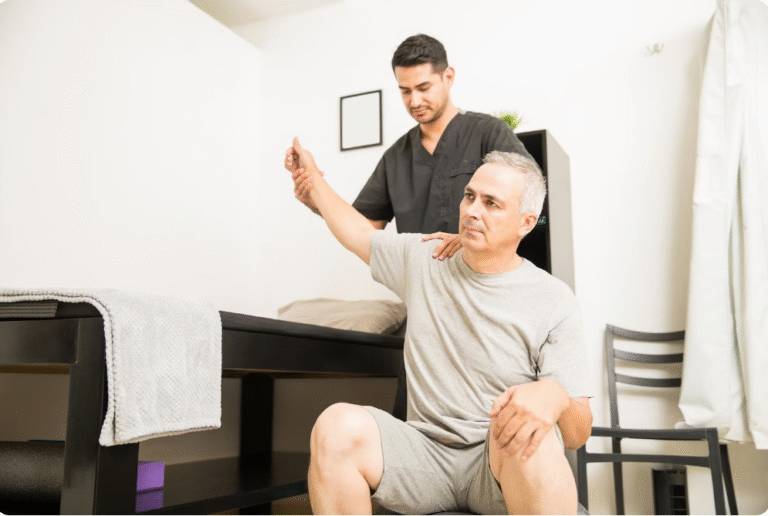
Modern equipment is not only used for daily tasks but also plays a crucial role in therapy and rehabilitation. Robotics and virtual reality systems are increasingly being used to support motor skill development and coordination.
Assistive technology for cerebral palsy includes devices that guide repetitive movements, helping individuals practice essential skills in a structured way. Virtual reality environments provide interactive experiences that make therapy more engaging and effective.
Telehealth platforms have also expanded access to therapy services, allowing individuals to receive guidance and support remotely. This is especially beneficial for those who may have difficulty traveling to clinics or specialized centers.
By integrating technology into therapy, individuals can achieve better outcomes and maintain consistent progress over time.
Improving Quality of Life and Independence
The ultimate goal of modern equipment is to improve quality of life. By addressing both mobility and communication challenges, these tools enable individuals to participate more fully in daily activities. Whether it is moving independently, expressing thoughts, or managing a household, technology plays a vital role in fostering independence.
Assistive technology for cerebral palsy empowers individuals to make choices, pursue education, and build relationships. It reduces barriers and creates opportunities for personal growth and achievement.
As technology continues to advance, solutions are becoming more personalized and adaptable. This ensures that individuals receive support that aligns with their specific needs and goals.
Conclusion
Modern equipment has revolutionized the way individuals manage mobility and communication challenges. Through innovations such as advanced mobility aids, communication devices, smart home systems, and wearable technology, assistive technology for cerebral palsy provides practical solutions that enhance independence and daily functioning. By integrating these tools into everyday life, individuals can overcome barriers, improve their quality of life, and participate more actively in their communities. As advancements continue, the future holds even greater potential for empowering individuals to live more connected, independent, and fulfilling lives.