How Modern Secure Access Platforms Work
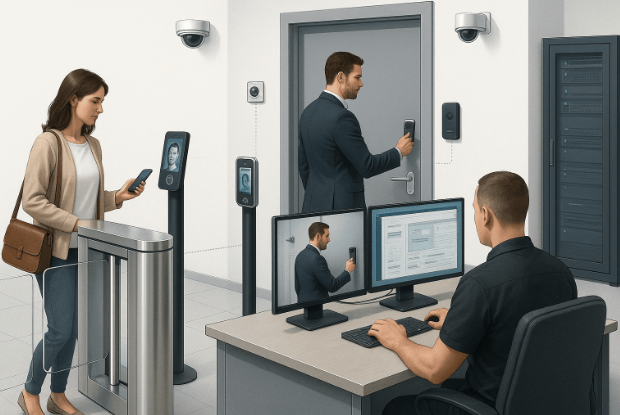
Discover how modern secure access platforms operate to protect networks, users, and data in an evolving digital landscape.
Introduction to Secure Access Platforms
Modern organizations depend on secure access platforms to protect their networks, users, and sensitive data. As the workforce becomes more distributed and cloud services are widely adopted, the need for secure, reliable, and flexible access solutions has never been greater. Secure access platforms enable users to connect safely to company resources from any location or device, making them essential for today’s fast-changing business world.
These platforms address the security challenges that come with remote work, bring-your-own-device (BYOD) policies, and the integration of cloud applications. By providing a unified approach to access control, they help organizations minimize risks while supporting productivity and collaboration. Understanding how these platforms operate is crucial for businesses aiming to defend against evolving cyber threats.
Core Components of Secure Access Platforms
Secure access platforms are made up of several key components that work together to protect users and resources. These typically include robust authentication mechanisms, strong encryption, real-time monitoring, and centralized management. Authentication verifies that users are who they claim to be, while encryption protects data as it moves across networks. Monitoring tools detect suspicious activity, and centralized management allows IT teams to enforce security policies consistently across all users and devices.
For a more detailed look at how these components fit together, read What is SASE and how it works for cybersecurity? Secure access platforms also often integrate with identity and access management (IAM) solutions, network security tools, and endpoint protection systems. This integration provides a layered security approach, making it difficult for attackers to find weaknesses.
To better understand the importance of these core components, consider the guidelines from the Center for Internet Security. These best practices highlight the need to combine multiple security functions for comprehensive protection.
Zero Trust Security Model
A key principle behind modern secure access platforms is the zero-trust security model. Unlike traditional security approaches that trust users and devices inside the network perimeter, zero trust assumes that no user or device is trusted by default. Every access request is thoroughly checked, regardless of where it comes from. This means that even if an attacker gains access to the network, they still face many barriers before reaching sensitive data.
The zero trust model enforces the principle of least privilege, giving users only the permissions they need to do their jobs. This limits the impact of a breach, as attackers cannot move freely within the network. For more on zero trust, visit the National Institute of Standards and Technology’s guidance.
Zero trust also requires continuous monitoring of user activities and device health. It adapts to changing risk levels by adjusting access in real time. This proactive approach reduces the window of opportunity for cybercriminals and helps organizations stay ahead of new threats.
Authentication and Identity Verification
Authentication and identity verification are at the heart of secure access platforms. These systems use a range of methods to confirm user identities, including multi-factor authentication (MFA), biometrics, and single sign-on (SSO). MFA requires users to provide two or more pieces of evidence, such as a password and a fingerprint or a verification code sent to a mobile device. This makes it much harder for attackers to gain unauthorized access, even if they have stolen a password.
Single sign-on simplifies the user experience by allowing individuals to access multiple applications with one set of credentials while still maintaining security. Biometric authentication, like facial recognition or fingerprint scanning, adds an extra layer of protection that is difficult to forge. These methods are recommended by cybersecurity experts and government agencies such as the Cybersecurity & Infrastructure Security Agency.
Identity verification doesn’t stop after login. Secure access platforms often use adaptive authentication, which evaluates factors like location, device type, and user behavior to determine if additional verification is needed. This dynamic approach helps detect and block suspicious access attempts before they become threats.
Encryption and Data Protection
Protecting data is a core function of secure access platforms. Encryption ensures that information sent across networks or stored on devices cannot be read by unauthorized parties. Platforms use industry-standard encryption protocols to secure data both in transit (as it moves between users and resources) and at rest (when it is stored on servers or devices).
Encryption helps organizations comply with data privacy regulations such as the General Data Protection Regulation (GDPR) and the Health Insurance Portability and Accountability Act (HIPAA). These laws require businesses to take steps to protect sensitive data from theft or exposure. For more information on data protection regulations, visit the U.S. Department of Health & Human Services.
Beyond encryption, secure access platforms include data loss prevention (DLP) features that monitor and control the movement of sensitive information. DLP tools can block the sharing of confidential files or alert administrators to risky behavior. This combination of encryption and DLP provides a comprehensive defense against data leaks and breaches.
Centralized Management and Policy Enforcement
Centralized management is a vital feature of secure access platforms, allowing administrators to oversee security policies and user access from a single dashboard. With centralized control, IT teams can quickly update access rules, enforce compliance, and respond to security incidents. This unified approach reduces complexity and ensures that policies are applied consistently, no matter how large or distributed the organization.
Centralized policy enforcement also makes it easier to onboard new users, manage device access, and support business changes. Administrators can generate detailed reports for audits or compliance checks, showing who accessed what resources and when. This transparency helps organizations demonstrate they are meeting regulatory requirements and following best practices for security.
Continuous Monitoring and Threat Detection
Continuous monitoring is a cornerstone of modern secure access platforms. These systems track network activity, user behavior, and device health in real time, looking for signs of suspicious or unauthorized actions. Automated alerts notify security teams when potential threats are detected, allowing for rapid response before damage can occur.
Monitoring tools use advanced analytics and machine learning to spot unusual patterns, such as a user accessing sensitive files at odd hours or from an unexpected location. This proactive detection helps prevent data breaches and limits the impact of attacks.
Continuous monitoring also supports compliance with industry standards and regulations. By maintaining detailed logs of user activities and system events, organizations can quickly investigate incidents and provide evidence during audits.
Support for Remote and Hybrid Workforces
The shift to remote and hybrid work has changed the way organizations approach security. Secure access platforms are designed to support users working from any location, whether at home, in the office, or on the go. These platforms provide secure connections to cloud applications, internal databases, and third-party services, ensuring that employees can work safely and efficiently no matter where they are.
Support for multiple device types, including laptops, smartphones, and tablets, is built into most secure access platforms. They use device posture checks to assess the health and security of each device before granting access. This prevents compromised or outdated devices from putting the network at risk. Flexible access controls also allow organizations to tailor security settings based on user roles, locations, and business needs.
Scalability and Future-Proofing
Scalability is a key consideration for secure access platforms. As organizations grow and adopt new technologies, their security needs evolve. Modern platforms are built to handle increasing numbers of users, devices, and cloud services without sacrificing performance or protection. This flexibility ensures that security measures remain effective even as the business landscape changes.
Future-proofing is also important. Secure access platforms often include support for emerging security standards and integration with new technologies. Regular updates and patches help address newly discovered vulnerabilities, while modular architectures allow organizations to add new features as needed. This adaptability is critical for staying ahead of cyber threats and maintaining a strong security posture in a rapidly evolving digital world.
Integration with Cloud and On-Premises Resources
Secure access platforms are designed to bridge the gap between cloud and on-premises environments. They provide seamless access to applications hosted in public or private clouds, as well as traditional data centers. This hybrid approach allows organizations to migrate workloads to the cloud at their own pace, without compromising security.
Platforms use secure gateways, application proxies, and identity federation to connect users to resources wherever they reside. They also support integration with popular cloud service providers and enterprise applications, making it easier to manage access across diverse IT environments. This capability is essential for organizations with complex infrastructures or those undergoing digital transformation.
See also: The Role of TruDOSE Regenerative Technology in Managing Systemic Inflammation
User Experience and Productivity
A secure access platform must balance strong security with a positive user experience. If security measures are too restrictive or complicated, users may look for workarounds that put the organization at risk. Modern platforms aim to make secure access as seamless as possible, using technologies like single sign-on, adaptive authentication, and self-service password resets.
By minimizing friction, secure access platforms help maintain productivity while ensuring that security requirements are met. Users can quickly access the resources they need without unnecessary delays, and IT teams can focus on strategic initiatives rather than manual access management. This balance is vital for supporting business goals and keeping users satisfied.
Conclusion
Modern secure access platforms are essential for protecting users, networks, and data in today’s digital world. By combining strong authentication, encryption, centralized management, and continuous monitoring, these platforms allow organizations to operate securely and efficiently. As technology evolves, secure access platforms will continue to play a key role in defending against cyber threats.
FAQ
What is a secure access platform?
A secure access platform is a set of tools and technologies that protect network resources by controlling and monitoring how users and devices connect to them.
How does zero trust improve security?
Zero trust requires every user and device to be verified before granting access, regardless of location. This reduces the risk of unauthorized access and limits the impact of breaches.
Why is encryption important in secure access platforms?
Encryption protects data from being read or intercepted by unauthorized parties, both during transmission and when stored.
Can secure access platforms support remote workers?
Yes, these platforms are designed to provide secure connections for users working from any location or device.
What authentication methods are used in secure access platforms?
Common methods include multi-factor authentication, biometrics, and single sign-on, which together make unauthorized access more difficult.