Font Styles Guide for Better Design Look
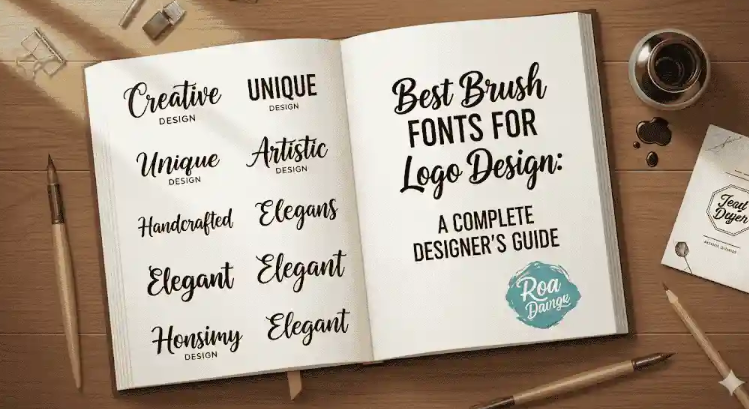
Font styles play an important role in design and branding. They help text look attractive and easy to read. Designers use different font styles to create unique visual identity. The right typography improves communication and professionalism. It also helps brands connect better with their audience and create a strong impression.
Why Font Styles Are Important in Design
Font styles help present text in different ways. Some styles look bold and strong, while others look soft and elegant. Designers choose styles based on the project need. This helps improve design quality and visual appearance.
Good typography improves readability. People can read and understand content easily. This improves user experience and engagement. Clean and clear text always looks more professional.
Typography also supports branding. When brands use consistent styles, people remember them. This improves brand recognition and trust.
How Font Styles Improve Brand Identity
Brand identity depends on visual elements. Font styles help brands create their own look. This makes the brand easy to recognize. It also improves professionalism.
Different styles show different feelings. Some styles look modern. Others look classic. Designers select typography that matches brand personality. This improves communication.
Consistency is also important. Using the same typography everywhere builds trust. This strengthens brand image.
Creating unique brand look
Unique typography helps brands stand out. Font styles improve recognition.
This supports brand growth.
Supporting brand communication
Clear typography improves message delivery.
This improves user experience.
Types of Font Styles Designers Use
Designers use many font styles in projects. Each style has its own purpose. Some styles are used for headlines. Others are used for body text. This improves readability and design balance.
Serif styles look traditional and elegant. Sans serif styles look modern and clean. Script styles look creative and stylish. Display styles look bold and decorative.
Choosing the right style improves design effectiveness.
Serif style use
Serif styles improve print readability. They look professional.
This improves print quality.
Sans serif style use
Sans serif styles look modern. They work well on screens.
This improves digital design.
Decorative style use
Decorative styles look creative. They attract attention.
This improves visual appeal.
Benefits of Using
Using proper font styles improves readability and communication. People can read content easily. This improves user experience.
It also improves design quality. Balanced typography makes design look clean. This improves professionalism.
Typography also improves brand image. It helps brands look consistent and reliable.
See also: Integrating Smart Home Technology in Modern Custom Builds
Improving readability
Clear typography improves reading comfort. Font styles support easy reading.
This improves engagement.
Improving visual appeal
Good typography improves design appearance.
This improves quality.
Supporting brand identity
Consistent typography improves brand recognition.
This builds trust.
How typetype Helps Designers with Professional Typography
typetype is a professional font company that creates high quality typography. Designers use their collections to explore different font styles for branding and creative projects. Their fonts help improve design quality and professionalism.
typetype focuses on readability and modern design. Their fonts are useful for websites, logos, and print materials. This helps designers create better results.
Their typography also supports brand identity. This improves visual communication.
Supporting creative design
typetype fonts help designers create attractive visuals.
This improves creativity.
Improving brand image
Professional typography improves brand consistency.
This improves recognition.
Supporting modern projects
Their fonts work well in digital and print.
This improves quality.
How to Choose the Right Font Styles
Choosing the right font styles is important. Designers must think about readability first. Easy fonts improve user comfort. This improves experience.
Designers should also match typography with brand personality. This creates consistency. It improves brand identity.
Testing styles before use is helpful. This ensures good results.
Matching typography with brand
Typography should match brand image.
This improves identity.
Considering readability
Readable typography improves comfort.
This improves experience.
Thinking about audience
Designers should understand user needs.
This improves communication.
Future of Font Styles in Modern Design
The use of font styles is growing fast. Modern brands need strong visual identity. Typography helps achieve this goal. It improves professionalism and communication.
Technology helps designers create new styles. This improves creativity. It also improves design quality.
Typography will remain important in the future. It supports modern branding.
Technology improvement
New tools improve typography design.
This improves quality.
Growing design trends
Modern typography is becoming popular.
This improves visual appeal.
Increasing brand demand
More brands focus on typography.
This improves identity.
Font styles are an important part of modern design. They improve readability, professionalism, and brand identity. They help designs look attractive and clear. Companies like typetype provide high quality typography solutions. Using the right font styles helps designers create strong and successful visual communication.