How Shipping Crates Enhance Operational Consistency in B2B Logistics
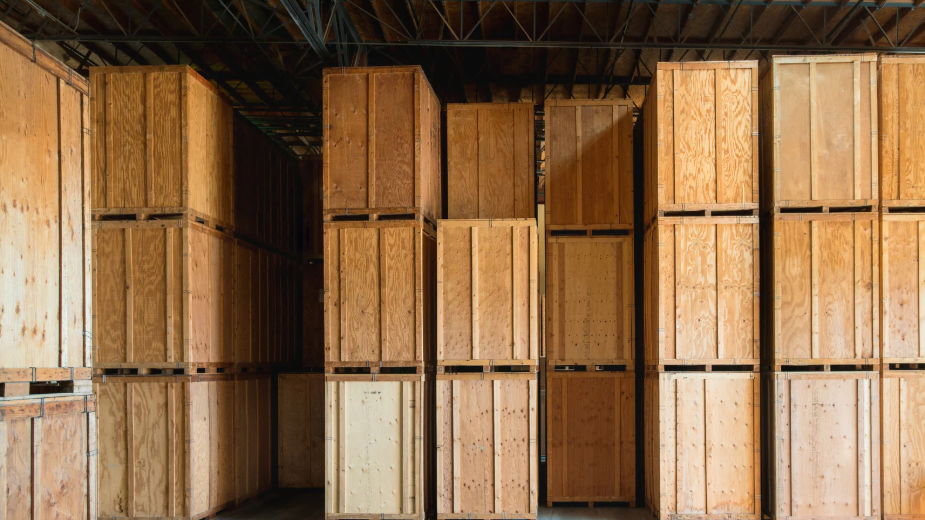
In the complex machinery of B2B logistics, consistency is the ultimate currency. Predictability in transit times, product safety, and handling procedures translates directly into customer trust and operational efficiency. While often overlooked as simple packaging, the strategic use of robust shipping crates serves as a foundational element for maintaining this consistency. By standardizing protection and streamlining handling processes, high-quality crating transforms variable logistical challenges into manageable, repeatable operations that secure the supply chain.
Standardization Reduces Handling Variability
One of the biggest threats to operational consistency is the variability in how goods are handled at different checkpoints. When products are shipped in irregular packaging, warehouse staff and carriers must constantly adapt their equipment and methods, increasing the risk of errors.
Optimizing Warehouse Workflows
Professional crating provides a uniform shape and structural integrity that allows for standardized stacking and storage. This uniformity enables warehouse managers to optimize floor space and racking systems with precision. Forklift operators can move goods faster and more safely when dealing with consistent dimensions and weight distributions. This streamlined movement reduces the time spent on loading and unloading, ensuring that schedules are met with greater reliability.
Improving Carrier Compatibility
Logistics often involves multiple modes of transport, from trucks to ships to rail. Each carrier has specific requirements for securing cargo. Custom wooden crates are designed to meet these diverse needs seamlessly. They can be built with integrated skids for pallet jacks, reinforced corners for stacking, and internal blocking to prevent shifting. This compatibility ensures that goods move smoothly between carriers without delays caused by repackaging or rejected shipments due to improper securing.
Protection as a Reliability Metric
In B2B relationships, the arrival of damaged goods is more than just a financial loss; it is a disruption to the recipient’s operations. Reliable protection is therefore a key component of operational consistency.
Eliminating Transit Damage
The rigors of transit—vibration, impact, and compression—are the enemies of product integrity. Standard cardboard or shrink wrap often fails to provide adequate defense against these forces. Engineered wooden crates offer a superior barrier, absorbing shocks and shielding sensitive machinery or components from external hazards. By virtually eliminating transit damage, companies can guarantee that their partners receive functional products every time, maintaining the rhythm of the recipient’s production line.
Ensuring Regulatory Compliance
International shipping adds another layer of complexity with strict regulations regarding wood packaging materials (ISPM-15). Using compliant, professionally manufactured crates ensures that shipments are not held up at customs due to pest concerns or improper documentation. Knowing the top things to do before you buy wooden shipping crates is essential for navigating these requirements. It helps procurement teams select the right specifications upfront, preventing costly delays and ensuring that cross-border operations remain as consistent as domestic ones.
See also: Why Naperville Entrepreneurs Trust Local Business Brokers When Buying a Business
Cost Predictability and Inventory Control
Consistency in logistics also extends to financial planning and inventory management.
Reducing Hidden Costs
Damage claims, expedited replacement shipments, and administrative time spent resolving disputes create fluctuating costs that are hard to budget for. By investing in proper crating, businesses stabilize these variables. The upfront investment in quality packaging is offset by the reduction in “emergency” spending, allowing for more accurate financial forecasting and stable profit margins.
Facilitating Accurate Tracking
Uniform crates are easier to label, scan, and track through modern inventory management systems. Clear, flat surfaces allow for the placement of durable barcodes and RFID tags that remain readable throughout the journey. This visibility allows logistics managers to monitor progress in real-time, identifying potential bottlenecks before they impact delivery schedules.
Conclusion
Operational consistency in B2B logistics is not achieved by chance but through deliberate design and strategic choices. High-quality shipping crates provide the structural foundation for this consistency, offering standardized handling, superior protection, and predictable costs. By treating crating as a critical logistical asset rather than a mere commodity, businesses can build a resilient supply chain that delivers reliability with every shipment, strengthening partnerships and driving long-term success.